Teton region batsWhich bats live in buildings around Jackson Hole
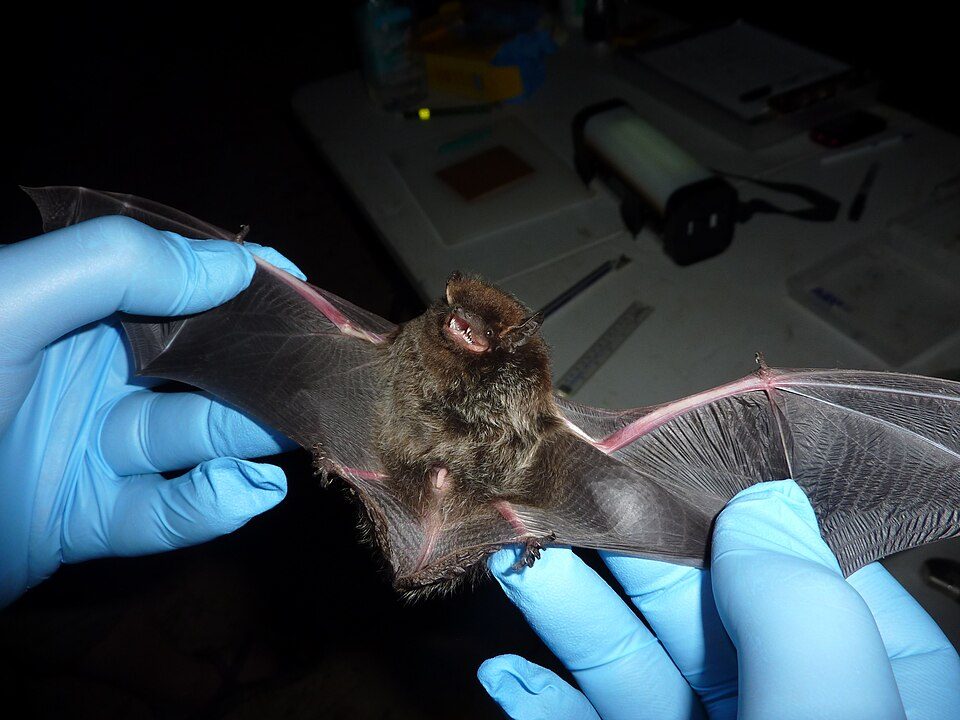
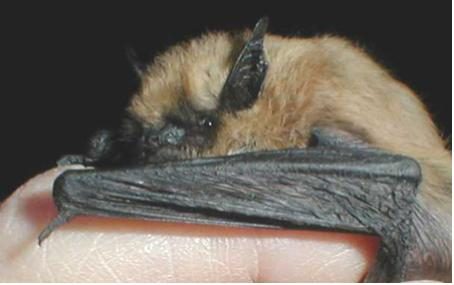
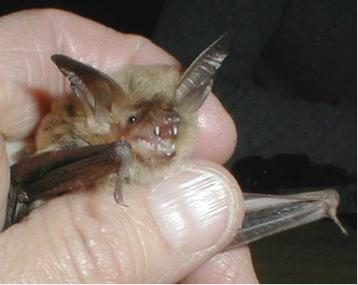
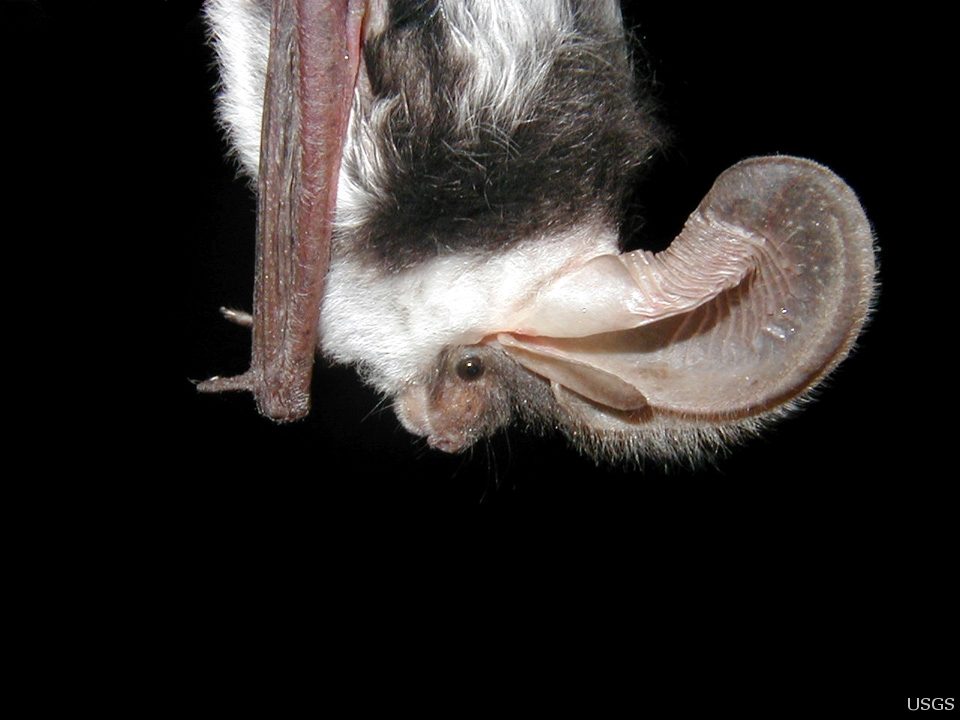
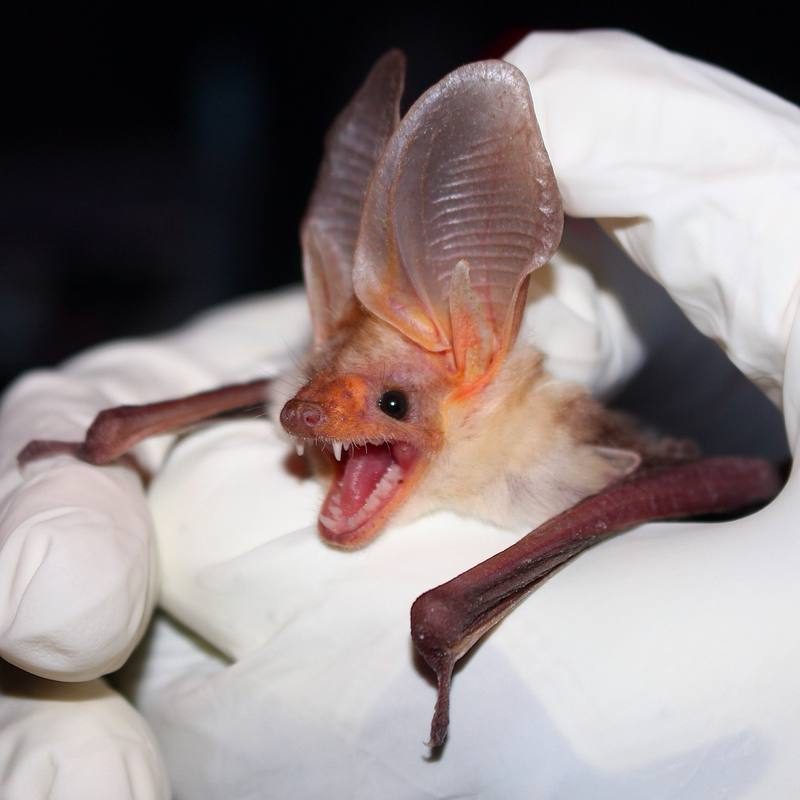
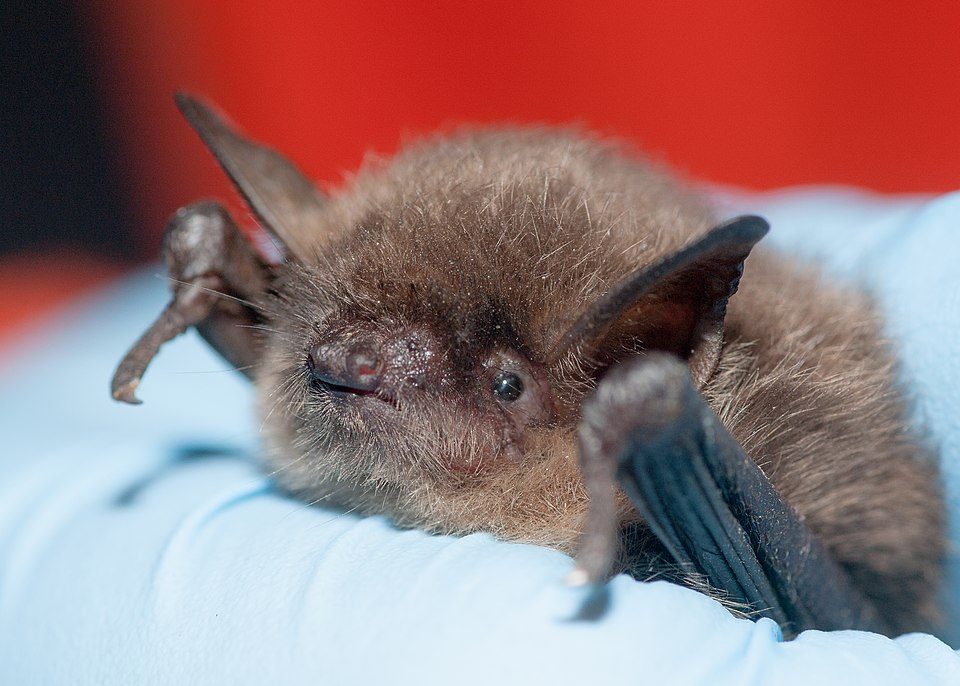
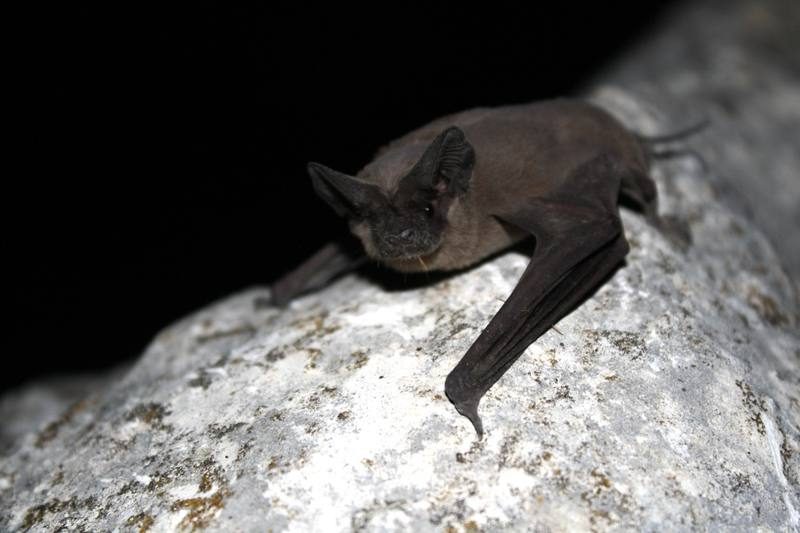
Grand Teton National Park is home to ten bat species. In a multi-year acoustic study at 37 sites, park biologists found six that are widespread and common: the little brown bat, big brown bat, silver-haired bat, hoary bat, long-legged myotis and long-eared myotis. The park's rabies page ranks little brown bats as the most common, followed by big brown, silver-haired, hoary, Yuma, long-legged and long-eared bats, with California myotis and western small-footed bats also identified. Those are the same bats that live around the homes, ranches and cabins in Jackson, Wilson, Moose and the rest of Teton County.
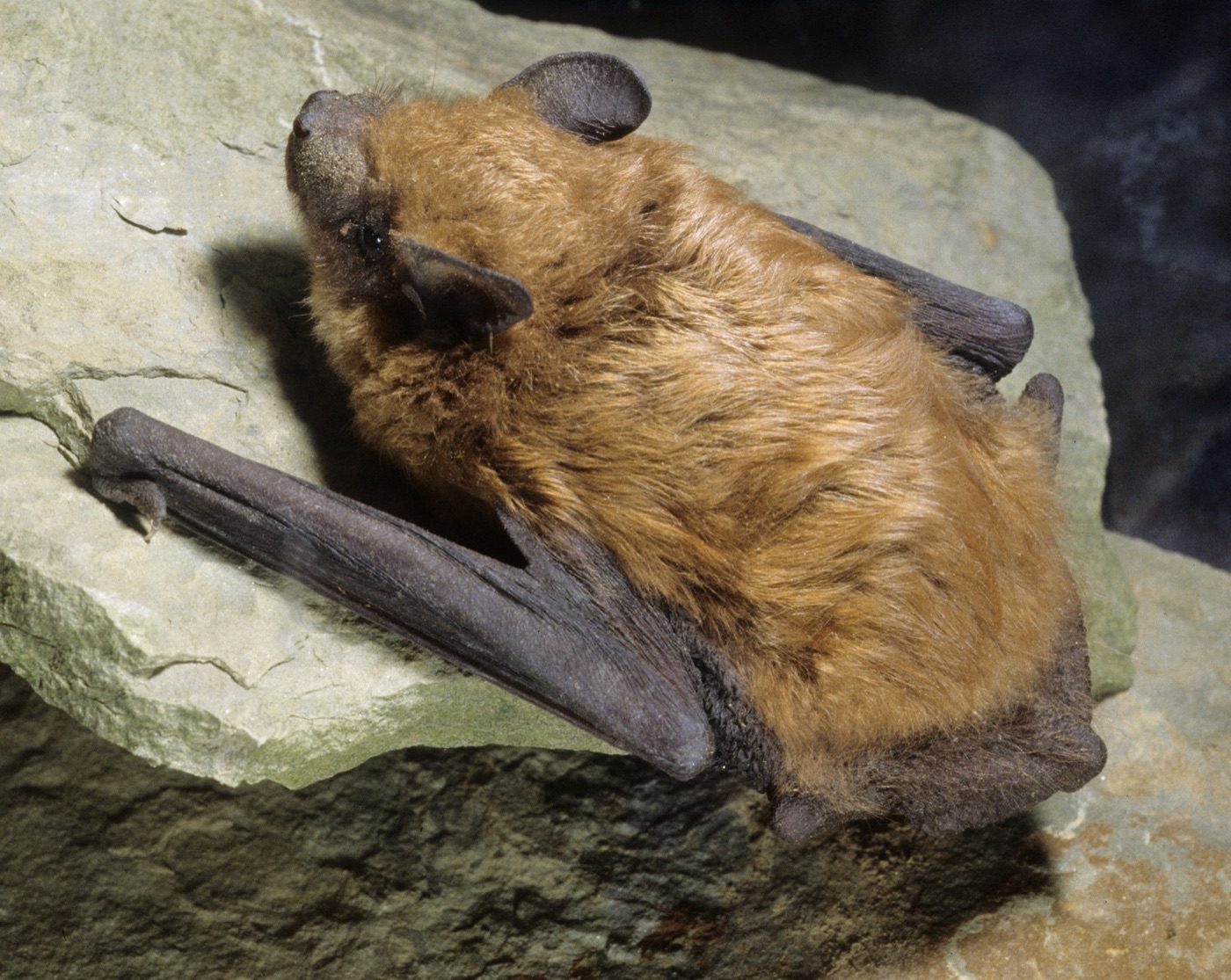
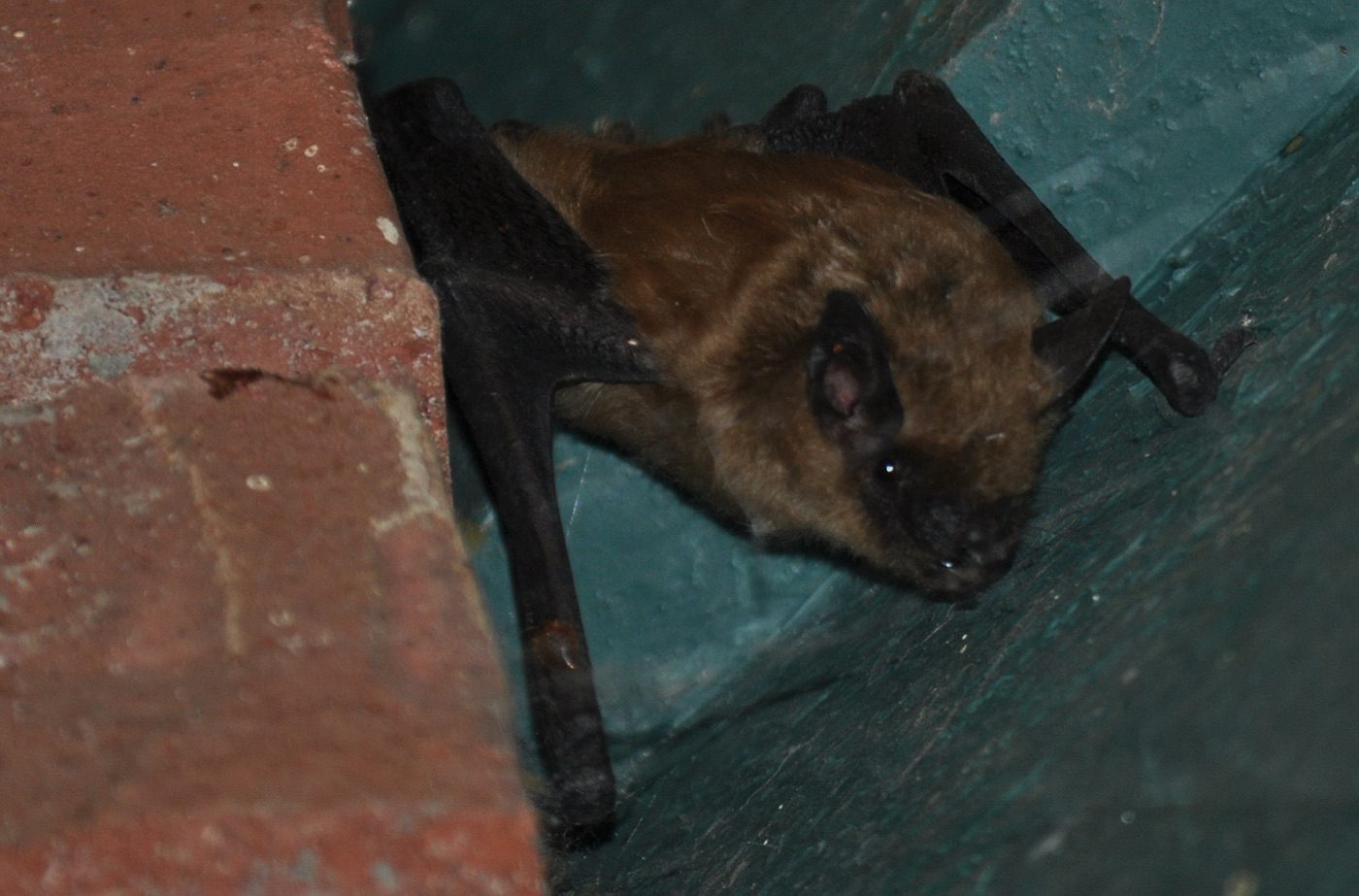
Only two of them regularly raise their young in houses. Wyoming Game and Fish's bat conservation plan calls the little brown bat one of the species most commonly found in human structures: of 20 little brown bat maternity roosts documented in Wyoming, 19 were in buildings, and two abandoned buildings each held at least 1,500 females. The big brown bat is "better adapted to human habitation than most bat species"; all three of its Wyoming maternity roosts on record were in buildings. Big browns are also the hardiest local bat, often the last to hibernate, and they hibernate in caves, mines and buildings, which is why they are the bat most likely to turn up indoors in winter. Read our guide to bats in winter in Jackson Hole for what to do then.
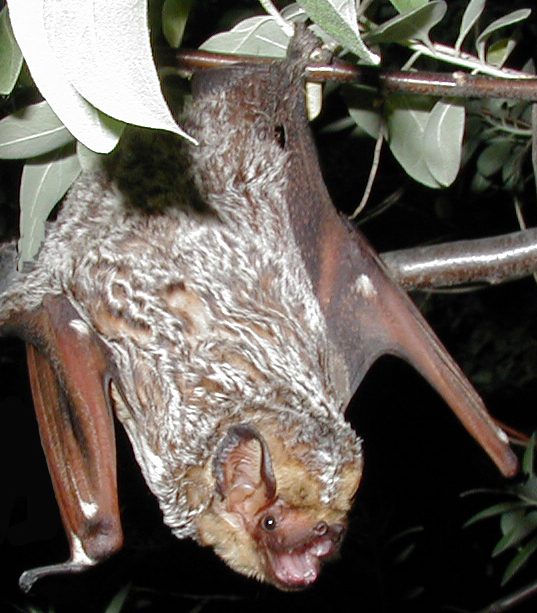
The tree bats (hoary and silver-haired) and the forest myotis mostly roost under bark, in snags and in rock crevices. They may use a porch, shed or garage as a night roost, and a long-eared or long-legged myotis can show up in a log cabin near timber, but they rarely form attic colonies. If you have a colony in an attic, wall or soffit around Jackson Hole, it is almost always little brown or big brown bats.