Bat Guano Cleanup
Guano cleanup for attics, wall voids, crawl spaces and cabins in Jackson Hole, Teton Valley and Star Valley. We get the bats out first, then remove the droppings with dust control and respirators, treat the odor, replace soiled insulation so the attic is ready for a Teton winter, and seal the entry points.
Every guano cleanup, the same standard
No upsells and no surprise fees. Every cleanup follows the same scope.
Assessment before anything moves
We map the guano, check what kind of insulation is under it (including vermiculite, which we do not disturb without the right plan), look for mouse droppings too, and confirm the bats are out.
Dust-controlled removal
Guano is wetted and bagged, or pulled with a high-efficiency-filter vacuum, the methods NIOSH describes. Crews wear respirators and protective clothing, and the living space is closed off.
Disinfect and treat odor
Wood, sheathing and framing under the roost are cleaned and treated so urine odor does not come back on the first warm day.
Insulation restored, openings sealed
Soiled insulation is bagged out and replaced to the right depth for our climate, and every entry point is sealed, with a written warranty on the work.
How bat guano piles up in Teton region attics
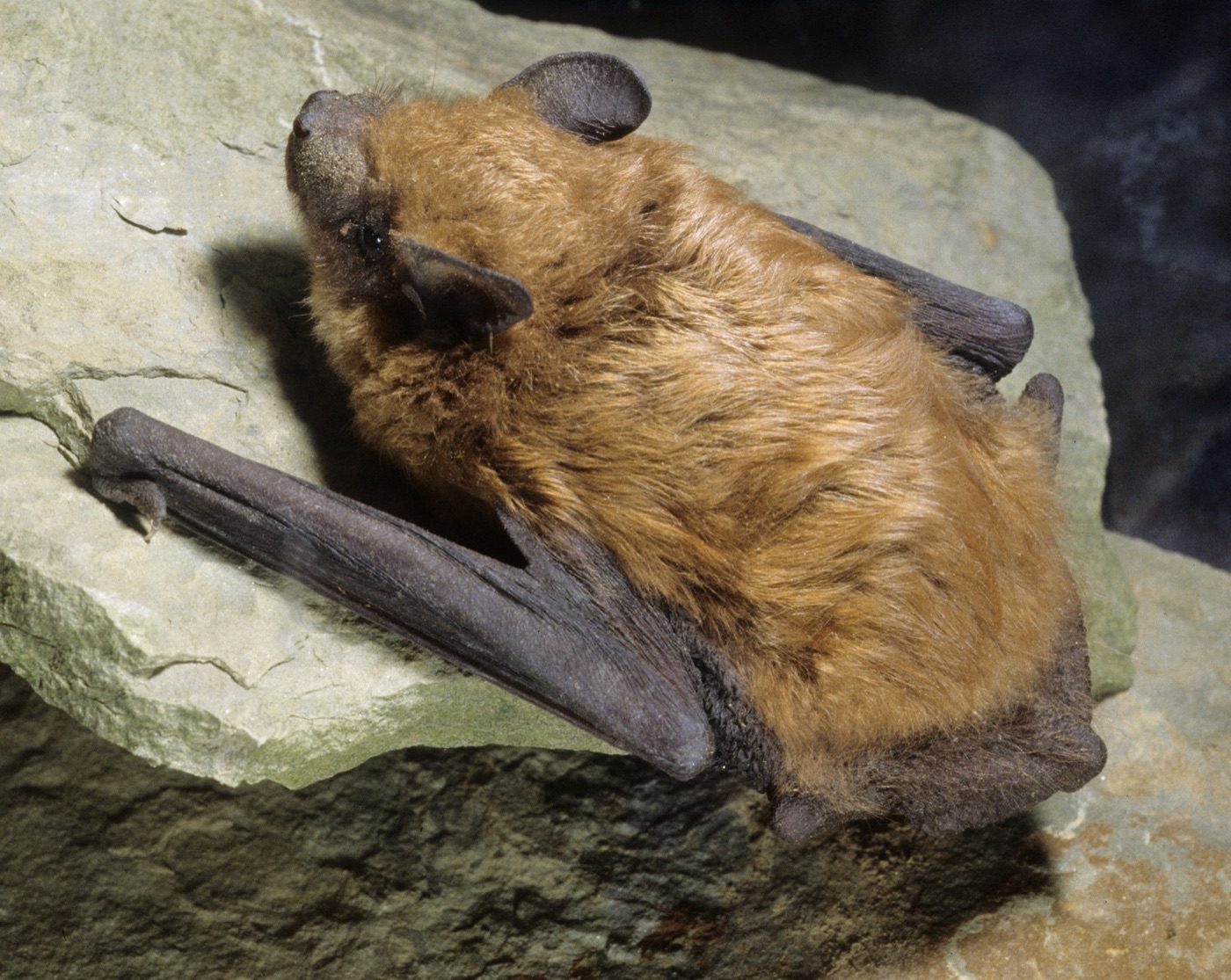
Most of the guano we clean comes from two species. In Wyoming surveys cited in Wyoming Game and Fish's bat conservation plan, 19 of 20 little brown bat maternity roosts and all 3 big brown bat maternity roosts were in buildings. Game and Fish says pups are born from May through July, and the same females come back to the same attic year after year, so a colony can drop guano in one spot for many summers before anyone looks.
Our houses make it easy to miss. Teton County's building criteria use a -30°F winter design temperature and a ceiling insulation minimum of R-60 for new work, so many attics hold a deep layer of blown-in insulation that hides droppings. Steep roofs and vaulted log ceilings leave small, hard-to-reach spaces. And about 23 percent of homes in Teton County, Wyoming, and 22 percent in Teton County, Idaho, are seasonal or occasional-use homes, according to the Census Bureau's 2020–2024 American Community Survey. A colony can come and go all summer in a second home or cabin that is empty.
The signs are usually the same: a pile of dark droppings on a deck, window sill or attic floor under a gap; brown staining at a ridge, gable vent or log corner; and a sharp ammonia smell when the house warms up. If you see bats flying out at dusk in summer, the cleanup has to wait until they are excluded. Our guide to when to exclude bats explains the timing.
What is actually risky about bat guano
Histoplasmosis
Histoplasmosis is a lung infection from breathing spores of the Histoplasma fungus, which grows in soil and in bird and bat droppings. CDC says that in the United States the fungus mainly lives in central and eastern states, so the risk in the Tetons is lower than in the Midwest. NIOSH still advises treating untested accumulations of bat droppings as contaminated, because bats themselves can carry the fungus. Dust is the problem, so dry sweeping and household vacuums are out.
Hantavirus, from the mice that share the attic
Bats do not carry hantavirus here; deer mice do. The Wyoming Department of Health says it spreads through mouse urine, droppings and saliva when dust is stirred up, and that 18 Wyoming cases since 1999 included 7 deaths. Its advice for cabins and outbuildings closed up for winter: air the space out for 30 minutes, do not sweep or vacuum mouse droppings, soak them with a bleach solution, and wipe them up with gloves on. Many attics we clean have mouse sign mixed in with the guano, so we plan for both.
Rabies
Guano does not spread rabies. CDC says contact with bat guano, blood or urine is not a rabies exposure. A live bat in a bedroom or living space is another matter; see our bats and rabies guide for who to call.
Old vermiculite insulation
Some older homes and cabins have vermiculite, a pebbly gray-brown loose fill. The U.S. EPA says to assume vermiculite may contain asbestos and to leave it undisturbed. If we find it under a roost, we stop and plan around it instead of vacuuming it out with the guano.
From first look to a clean, sealed attic
- Bats out first. We exclude the colony with one-way devices, following Wyoming Game and Fish's late-summer and early-fall guidance in Wyoming and Idaho Fish and Game's early-September to mid-October recommendation in Idaho, and never while flightless pups are inside.
- Contain the work area. Attic hatches, can lights and other openings into the living space are covered so dust stays in the attic.
- Remove the guano. Droppings and soiled insulation are wetted and bagged, or removed with a high-efficiency-filter vacuum.
- Clean and treat. Surfaces under the roost are cleaned, disinfected and treated for odor.
- Re-insulate. New insulation goes back to the depth the attic had, or to the current county standard when you ask us to.
- Seal and warranty. Every entry point is sealed, see our bat-proofing page, and the work is covered by a written warranty.
Disposal follows local rules. In Teton County, Wyoming, the Trash Transfer Station (307-733-7678) inspects loads, requires them to be tarped, and asks for asbestos testing and 48 hours' notice on demolition waste, which matters when old insulation comes out. We handle hauling as part of the job.
Health and wildlife contacts around the Teton region
- Teton County, WY Health Department, Environmental Health: 307-732-8490, after any contact with a bat.
- Eastern Idaho Public Health (Teton Valley), infectious disease line: (208) 533-3152.
- Lincoln County Public Health (Star Valley), Afton office: 307-885-9598.
- Sublette County Public Health, Pinedale: 380 Faler Avenue, (307) 367-2157.
- Wyoming Game and Fish, Jackson Regional Office: 420 North Cache, Jackson, (307) 733-2321, for injured bats or bats flying outside in winter.
None of these agencies remove guano or bats from private buildings; that is up to the owner. Call (307) 522-1433 for a phone consultation, or read our new guide to bats in log homes and cabins if your house is log.
Bat guano cleanup: common questions
Can I clean up bat guano in my attic myself?
A few scattered droppings on a porch can be wetted and wiped up with gloves and a mask. A pile in an attic or wall is different. CDC says large amounts of bat droppings should be cleaned up by professional companies, because sweeping or shop-vacuuming dry guano puts dust in the air. NIOSH advises wetting the material and bagging it, or using an industrial vacuum with a high-efficiency filter. Wait until the bats are out and the openings are sealed, or the cleanup will need to be done again.
Is histoplasmosis a risk in Jackson Hole?
It is a lower risk here than in the Ohio and Mississippi River valleys. CDC says the Histoplasma fungus mainly lives in central and eastern states. But NIOSH notes that bats can be infected and pass the fungus in their droppings, and that untested accumulations of bat droppings should be treated as contaminated. So we use respirators and dust control on every attic job, wherever it is.
Can I get rabies from bat guano?
No. CDC says people cannot get rabies from contact with bat guano, blood or urine, or from touching a bat on its fur. Rabies spreads through a bite or saliva. A bat found in a bedroom or living space is different: call Teton County Health Department Environmental Health at 307-732-8490 in Wyoming, or Eastern Idaho Public Health at (208) 533-3152 in Teton Valley, before releasing it.
How do I tell bat droppings from mouse droppings?
Bat droppings collect in piles under where the bats hang or enter, often below a ridge, gable or chimney, and they crumble into a dry powder with shiny insect bits when crushed. Mouse droppings are smaller, harder and scattered along walls and in insulation. The difference matters: deer mice can carry hantavirus, which the Wyoming Department of Health has tied to 18 cases and 7 deaths in Wyoming since 1999. Many closed-up cabins have both, and we clean for both.
When should guano cleanup happen?
After the colony is out and the building is sealed. Wyoming Game and Fish advises one-way doors in late summer or early fall, after the pups can fly, so most cleanups here happen from mid-August into fall, or in spring after a spring exclusion. Winter cleanups work when the bats are already excluded. Cleaning while bats are still inside just restarts the pile.
Guano cleanup across the Teton region
Cleanup is the last step after a humane exclusion. These pages cover the rest.
Bat-proofing
Bat-proofing and exclusionLog homes
Bats in log homes and cabinsWhen to exclude
When to exclude bats in Teton CountyBats & rabies
Bats and rabies in Teton CountyJackson, WY
Bat removal in JacksonDriggs, ID
Bat removal in DriggsAfton, WY
Bat removal in AftonCommercial
Commercial bat removalWhere these facts come from
Contact details and local facts on this page were checked against these official and local sources on November 27, 2026. Phone numbers and hours can change, so confirm with the agency before you go.
- CDC: About Histoplasmosis (spread in bird and bat droppings; in the U.S. the fungus mainly lives in central and eastern states)
- CDC: Reducing Risk for Histoplasmosis (large amounts of bird or bat droppings should be cleaned up by professional companies)
- NIOSH Publication 2005-109: Histoplasmosis, Protecting Workers at Risk (bats can excrete Histoplasma; wet the material, double-bag or use a high-efficiency-filter vacuum)
- CDC: Bats, Safety and Risk Management at Camp (contact with bat guano, blood or urine is not a rabies exposure)
- Wyoming Department of Health: Hantavirus (Sin Nombre virus spread by deer mice; 38% mortality for HPS)
- Wyoming Department of Health (Apr. 25, 2024): Beware of hantavirus danger during spring cleaning (18 cases, 7 deaths in Wyoming since 1999; do not sweep or vacuum mouse droppings)
- U.S. EPA: My attic has vermiculite insulation. Am I at risk? (assume it may contain asbestos; leave it undisturbed)
- Wyoming Game and Fish Department: A Conservation Plan for Bats in Wyoming (Hester & Grenier 2005; 18 species: 12 resident, 4 peripheral, 2 accidental; species accounts incl. Priday & Luce 1999 roost records)
- Wyoming Game and Fish Department: Bats in Wyoming overview (18 species, 12 residents; 10 of 12 residents are Species of Greatest Conservation Need; pups born May through July; habitat-use table incl. buildings)
- Wyoming Game and Fish Department: What should I do if I find a bat?
- Idaho Fish and Game: See a bat in or around your home? Don't panic
- Teton County, WY Building: Climatic and geographic design criteria (-30°F winter design temperature, severe weathering, ice shield required, Climate Zones 7 and 8 ceiling R-60)
- U.S. Census Bureau ACS 2020–2024 5-year, table B25004 Vacancy Status, via Census Reporter (seasonal, recreational or occasional-use homes in Teton County, WY and Teton County, ID)
- Teton County, WY: Trash Transfer Station (307-733-7678; loads tarped and subject to inspection; demolition waste needs asbestos testing and 48 hours' notice)
- Teton County, WY Health Department: Rabies
- Eastern Idaho Public Health: Office locations and infectious disease line (208) 533-3152
- Lincoln County, WY: Public Health contact (Kemmerer office 520 Topaz St, Ste 109, 307-877-3780; Afton office 307-885-9598)
- Sublette County, WY: Public Health (380 Faler Avenue, Pinedale, 307-367-2157)
- Wyoming Game and Fish Department: Jackson Region
Teton region bat removal, done right.
Serving Jackson and the full Teton region since 2011. Phone consultation included. Written warranty on every exclusion.